
Geriatric Psychiatrist Disorders
- Home
- /
- Geriatric Psychiatrist Disorders

- Geriatric Psychiatry in Indore
Geriatric Psychiatry in Indore for Older Adults
What Is Geriatric Psychiatry Disorders?
Geriatric psychiatry focuses on mental health concerns that affect older adults. It considers how emotional well-being, physical health, medicines, memory, social circumstances and changes associated with ageing may influence one another.
Geriatric Psychiatry in Indore may be relevant when an older person experiences persistent sadness, anxiety, sleep difficulties, changes in behaviour or other psychological concerns that interfere with everyday life.
Some older adults can explain their difficulties clearly, while others may need support from a family member or caregiver to describe changes they have noticed.
The purpose of psychiatric assessment is to understand the person’s concerns, consider possible contributing factors and discuss an appropriate treatment plan.
When Should an Older Adult See a Psychiatrist?
Not every change in mood or sleep requires psychiatric treatment. However, professional advice may be helpful when symptoms continue, become more noticeable or interfere with daily life.
Consider a psychiatric consultation if an older adult:
Feels persistently sad or hopeless
Experiences frequent anxiety or fear
Has ongoing sleep difficulties
Loses interest in usual activities
Becomes increasingly withdrawn
Shows significant changes in mood or behaviour
Struggles with everyday responsibilities
Experiences emotional distress after a major life change
Geriatric Psychiatry in Indore can help older adults and their families discuss these concerns and understand whether psychiatric treatment, medical evaluation or another type of support may be appropriate.
If symptoms appear suddenly, especially with confusion or altered awareness, seek urgent medical assessment instead of waiting for a routine psychiatric appointment.
Geriatric Psychiatry in Indore With Personalised Care

Common Mental Health Concerns in Older Adults
Mental health difficulties can affect older adults in different ways. Recognising changes early can help families understand when professional advice may be useful.
1. Depression in Older Adults
Depression can affect older adults, even when they have no previous history of mental health difficulties.
Some people may experience persistent sadness, while others may mainly complain of tiredness, poor sleep, reduced interest or difficulty managing daily activities.
Common signs can include:
Persistent low mood or hopelessness
Loss of interest in usual activities
Changes in appetite or sleep
Low energy
Difficulty concentrating
Withdrawal from family and friends
These symptoms should not automatically be dismissed as part of getting older. A psychiatric assessment can help determine whether depression or another health concern may be contributing.
2. Anxiety and Excessive Worry
Older adults may experience anxiety about their health, family, finances, independence or future.
Occasional worry is common, but ongoing anxiety can interfere with sleep, daily routines and social activities.
A person may repeatedly worry about small matters, feel restless, avoid certain situations or experience physical symptoms such as a racing heartbeat.
A Geriatric Psychiatrist in Indore can assess persistent anxiety symptoms and discuss appropriate treatment options based on the person’s circumstances.
3. Memory and Thinking Difficulties
Some changes in memory can occur with ageing, but significant or worsening memory problems need proper medical assessment.
An older adult may begin forgetting important information, repeating questions, struggling with familiar tasks or finding it difficult to follow conversations.
These changes can have several possible causes, including medical conditions, medication effects, sleep problems or neurological conditions.
Memory difficulties should not automatically be assumed to be dementia. A doctor can help determine whether further medical or specialist evaluation is needed.
4. Sleep Problems in Older Adults
Changes in sleep are common in later life, but persistent sleep difficulties can affect mood, concentration and everyday functioning.
Older adults may experience difficulty falling asleep, waking frequently, waking too early or feeling tired during the day.
Pain, medicines, physical health conditions, anxiety and depression may contribute to sleep problems.
Geriatric Psychiatry in Indore may be relevant when sleep difficulties occur alongside ongoing emotional or psychiatric symptoms. The underlying cause should be assessed before deciding on treatment.
5. Behavioural and Emotional Changes
Families sometimes notice changes in an older person’s behaviour before the person recognises them.
These changes may include increased irritability, withdrawal, unusual fear, confusion or difficulty managing emotions.
A noticeable change in behaviour can have psychiatric, medical or neurological causes. Sudden confusion, especially when accompanied by an abrupt change in awareness or behaviour, needs urgent medical assessment.
A proper evaluation can help identify the next steps rather than assuming that the changes are simply due to age.
6. Loneliness, Grief and Emotional Distress
Retirement, living alone, reduced mobility and the loss of a partner or close friends can affect emotional well-being.
Grief is a natural response to loss, but some people may experience prolonged distress, persistent low mood or difficulty returning to their usual activities.
Family support can be valuable, but professional help may also be useful when emotional difficulties continue or become overwhelming.
7. Anxiety About Physical Health
Older adults may live with ongoing physical health conditions, frequent medical appointments or concerns about losing independence.
These experiences can sometimes lead to persistent worry, low mood or difficulty coping with everyday responsibilities.
Psychiatric care can help assess the emotional impact of these concerns while considering the person’s overall medical situation.
Treatment Options for Mental Health Concerns in Older Adults
Medication When Appropriate
A psychiatrist may recommend medication when clinically indicated. In older adults, medicines require careful consideration because age-related changes, existing health conditions and interactions with other medicines can affect treatment decisions.
Psychological Support
Psychological approaches may help some older adults manage anxiety, low mood, grief, stress and difficulties adjusting to life changes. The appropriate approach depends on the person's needs and ability to participate in treatment.
Sleep and Daily Routine
A regular sleep schedule, suitable daytime activity, social engagement and a supportive daily routine may help support overall well-being. These measures are not a replacement for treatment when an underlying medical or psychiatric condition requires attention.
Family and Caregiver Involvement
With the patient's consent, family members or caregivers may help by sharing observations, supporting appointments and understanding the treatment plan. Family involvement can be particularly helpful when an older adult has difficulty explaining symptoms or managing daily responsibilities independently.
Geriatric Psychiatry in Indore With Personalised Care
Every older adult has a different medical history, lifestyle, family situation and set of concerns. For this reason, mental health care should be based on the individual’s needs rather than age alone.
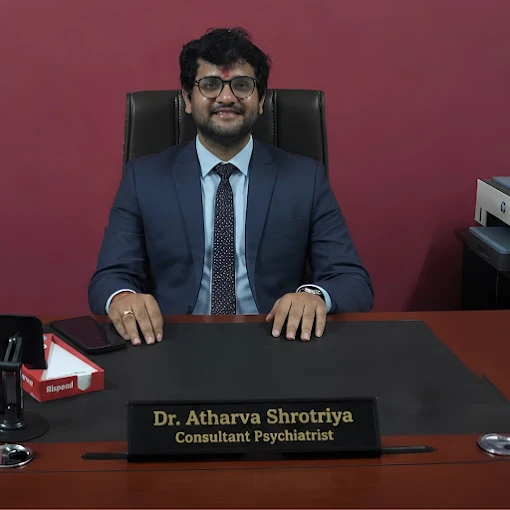
Dr. Atharva Shrotriya, MBBS, M.D. (Psychiatry), follows a compassionate and non-judgmental approach to psychiatric care. The focus is on understanding the person’s concerns, considering contributing factors and discussing suitable treatment options.
Through Geriatric Psychiatry in Indore, older adults and their families can seek guidance about persistent emotional, psychological and behavioural difficulties.
The appropriate care plan depends on the assessment and may include psychiatric treatment, follow-up appointments, lifestyle support or further medical evaluation.
How Family Members Can Support an Older Adult
Family members often play an important role in recognising changes in an older person’s mental health.
You can offer support by:
Listening without judgement
Taking persistent symptoms seriously
Encouraging regular medical appointments
Helping maintain a suitable daily routine
Noticing changes in sleep, mood or behaviour
Sharing relevant observations with the doctor, with the patient’s consent
Avoid blaming the person for changes they may be finding difficult to manage. Patience and respectful communication can make it easier for them to discuss their concerns.
Finding the Right Psychiatric Support in Indore
When looking for a Psychiatrist Near Me in Indore for an older family member, consider the doctor’s qualifications, communication style, experience relevant to the person’s concerns and availability for follow-up care.
It is also important to explain any existing medical conditions and provide an updated list of medicines during the consultation.
Dr. Atharva Shrotriya provides psychiatric consultation for a range of mental health concerns, including depression, anxiety disorders, sleep difficulties, mood changes and behavioural concerns.
If an older adult is experiencing persistent emotional or psychological difficulties, a consultation can help clarify the possible causes and identify appropriate next steps.
- FAQ
You Wondered
We Answered



1. What is geriatric psychiatry, and how can it help older adults?
Geriatric psychiatry focuses on mental health concerns affecting older adults, including depression, anxiety, sleep problems and behavioural changes. Geriatric Psychiatry in Indore can help patients and families understand symptoms and explore suitable care options.
2. When should an older adult consult a Geriatric Psychiatrist in Indore?
You can look for a qualified psychiatrist who provides care for depression and other mental health concerns. Dr. Atharva Shrotriya, MBBS, MD (Psychiatry), provides psychiatric consultation in Vijay Nagar, Indore.
3. Can depression occur in older adults?
4. Are memory problems a normal part of ageing?
5. Can a psychiatrist help older adults with sleep problems?
6. Is Geriatric Psychiatry in Indore suitable for older adults with anxiety?
7. Can family members attend an elderly psychiatric consultation?
8. How do I find a Psychiatrist Near Me in Indore for an older adult?
Look for a qualified psychiatrist who can assess the person’s concerns, explain treatment options clearly and provide appropriate follow-up care. Ask about appointment availability and whether the patient needs an in-person assessment.