OCD
- Home
- /
- OCD
- Best OCD Treatment in Indore
Best OCD Treatment in Indore for Better Mental Well-Being
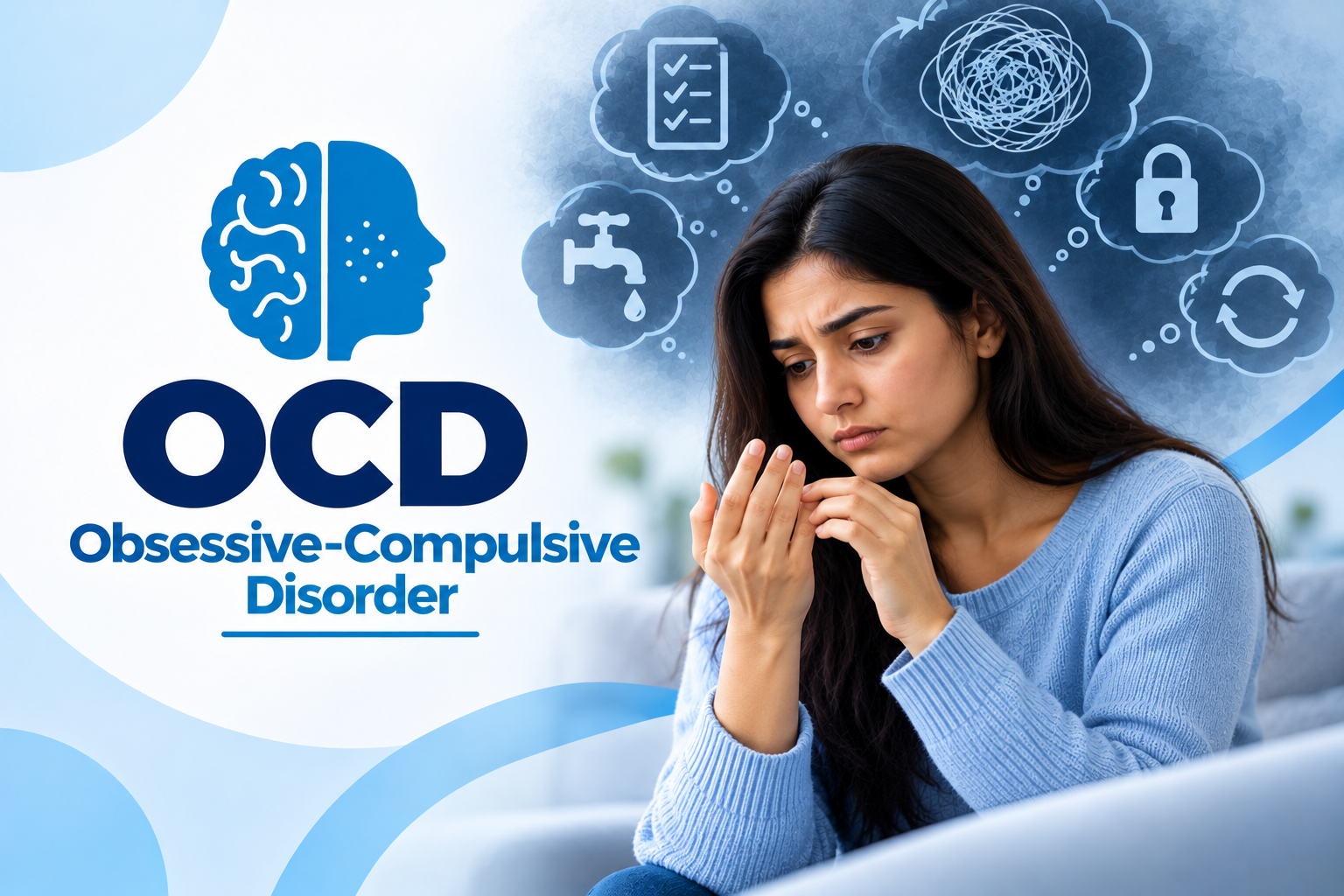
Obsessive-Compulsive Disorder, commonly called OCD, is a mental health condition that can cause unwanted thoughts, fears or repeated behaviours. A person with OCD may feel strong anxiety because of certain thoughts and may perform particular actions or routines to feel temporary relief.
OCD is more than simply liking things to be clean or organised. When unwanted thoughts and repetitive behaviours become difficult to control and start affecting daily life, work, studies or relationships, professional support may be helpful.
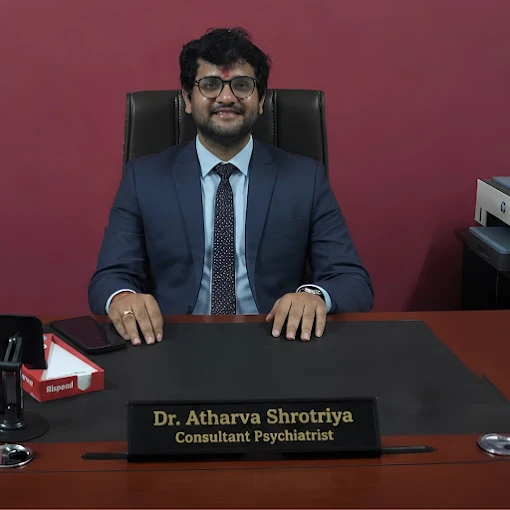
Finding the Best OCD Treatment in Indore starts with understanding the person’s symptoms, thoughts, habits and daily difficulties. Dr. Atharva Shrotriya, MBBS, M.D. (Psychiatry), provides personalised psychiatric care in Vijay Nagar, Indore.
His approach focuses on understanding the person behind the symptoms and developing a treatment plan according to individual needs.
What Is OCD and How Can It Affect Daily Life?
OCD involves two main types of symptoms: obsessions and compulsions.
Obsessions are unwanted and repeated thoughts, fears or images that can cause anxiety or distress. Compulsions are repeated actions or mental routines that a person may feel they must perform to reduce that anxiety.
For example, a person may repeatedly worry about germs and feel the need to wash their hands again and again. Another person may repeatedly check whether a door is locked because they are afraid something bad could happen.
These behaviours can take up a lot of time and may interfere with everyday activities.
This is why OCD Treatment in Indore should begin with a proper psychiatric assessment. Understanding the type and severity of symptoms helps in planning appropriate care.
When Should You Consult an OCD Doctor Near Me?
If you are searching for an OCD Doctor Near Me, it may be useful to seek professional help when unwanted thoughts or repetitive behaviours become difficult to control.
You may consider a psychiatric consultation if you:
- Have repeated unwanted thoughts
- Feel excessive fear or doubt
- Repeatedly check things
- Wash or clean excessively
- Need to perform certain actions in a particular order
- Repeat words, numbers or actions in your mind
- Spend a lot of time performing routines
- Avoid places or situations because of obsessive fears
- Feel unable to stop certain behaviours even when you know they are excessive
- Experience anxiety because of recurring thoughts or rituals
Having occasional worries or habits does not automatically mean a person has OCD. A psychiatrist can assess the symptoms and understand whether they are causing significant distress or affecting everyday life.
Common Symptoms of OCD
OCD symptoms can be different from one person to another. Some people mainly experience unwanted thoughts, while others experience both obsessive thoughts and repetitive behaviours.
Fear of Contamination
A person may have repeated fears about germs, dirt, infections or contamination and may wash their hands or clean objects repeatedly.
Repeated Checking
Some people may repeatedly check doors, switches, appliances, locks or other things because they are afraid something has been missed.
Unwanted Thoughts
A person may experience disturbing or unwanted thoughts that come repeatedly, even though they do not want to think about them.
Need for Order or Symmetry
Some people may feel strong discomfort when objects are not arranged in a particular way or when things do not feel “just right.”
Repeated Mental Actions
Compulsions do not always involve visible actions. A person may repeat words, numbers, prayers or certain thoughts in their mind to reduce anxiety.
Avoidance
A person may avoid situations, objects or places because they are afraid they may trigger unwanted thoughts or anxiety.
When these symptoms take up significant time or interfere with daily life, OCD Treatment in Indore may help the person understand and manage their concerns.
Best OCD Treatment in Indore With a Personalised Approach
There is no single treatment approach that is suitable for every person with OCD. Best OCD Treatment in Indore depends on the person’s symptoms, severity, daily functioning, history and individual needs.
Dr. Atharva Shrotriya focuses on understanding the patient’s concerns before developing a treatment approach.
During consultation, the discussion may include unwanted thoughts, repetitive behaviours, anxiety, avoidance, sleep, daily routine and how OCD symptoms are affecting work, studies or relationships.
The aim is to provide a comfortable and confidential environment where patients can discuss their concerns without feeling judged.

How Is OCD Diagnosed?
OCD is generally diagnosed through a detailed psychiatric assessment. There is no single blood test or scan that can independently confirm OCD.
A Psychiatric Doctor in Indore may discuss:
- The type of unwanted thoughts you experience
- How often these thoughts occur
- Repetitive behaviours or mental rituals
- How much time these symptoms take
- Situations that increase anxiety
- Avoidance behaviours
- Effect on work, studies and relationships
- Sleep and daily routine
- Previous mental health treatment
The psychiatrist may also consider whether another mental health condition could be causing similar symptoms.
A detailed assessment helps the doctor understand the complete picture before recommending appropriate treatment.
OCD Treatment Options
The right Best Depression Treatment in Indore depends on the person’s symptoms, needs, medical history and overall situation. Treatment may involve one or more approaches, based on professional assessment.
Psychological Treatment
Talk therapy can help a person understand their thoughts, feelings and behaviours. It can also help them learn healthier ways to manage difficult emotions and everyday challenges.
Medication
For some people, a psychiatrist may recommend medication as part of depression care. The choice depends on the person's symptoms, severity, medical history and individual needs. Medication should only be started, changed or stopped under medical guidance.
Lifestyle & Daily Support
Healthy daily habits can support overall mental well-being during depression care. Regular sleep, balanced meals, physical activity, social connection and a consistent daily routine may be helpful alongside professional treatment.
Follow-Up Care
Regular follow-up allows the doctor to understand how symptoms are changing and whether the treatment approach is working well. The care plan can be reviewed and adjusted according to the person's response and needs.
Finding the Right Psychiatrist for OCD in Indore
Choosing a Psychiatrist for OCD in Indore can give you a safe place to discuss unwanted thoughts, repetitive behaviours and anxiety without fear of judgment.
Dr. Atharva Shrotriya, MBBS, M.D. (Psychiatry), provides psychiatric consultation with a personalised approach.
His areas of psychiatric care include OCD, depression, anxiety disorders, bipolar disorder, schizophrenia, panic disorder, sleep difficulties, sexual disorders, childhood psychiatric disorders, personality disorders, psychosis, substance-use disorders and behavioural addictions.
The focus is on understanding the individual’s concerns and creating a suitable treatment approach.
Finding the Best OCD Treatment in Indore for Your Needs
OCD can affect people differently. Some people may spend a few hours each day performing compulsions, while others may experience distressing thoughts without many visible behaviours.
When looking for the Best OCD Treatment in Indore, it is important to understand the type of symptoms you are experiencing and how they affect your daily life.
How a Psychiatric Doctor in Indore Assesses OCD
A Psychiatric Doctor in Indore may ask about your thoughts, fears, compulsions, avoidance behaviours and the amount of time you spend dealing with them.
The doctor may also ask how these symptoms affect your work, studies, family life and relationships.
Understanding Different OCD Treatment Options
Treatment depends on the individual assessment. It may include psychological treatment, medication when appropriate, lifestyle support and regular follow-up.
Psychological Treatment for Understanding OCD
Therapy can help a person understand the connection between unwanted thoughts, anxiety and compulsive behaviours. It can also help develop healthier ways of responding to these experiences.
Medication When Medically Appropriate
Medication may be recommended depending on the person’s symptoms and clinical needs. The doctor can discuss the possible benefits and side effects before starting treatment.
Daily Support During OCD Treatment
A structured daily routine, regular sleep and healthy habits may support overall mental well-being during treatment.
Follow-Up Care for Ongoing Support
Regular follow-up gives the psychiatrist an opportunity to understand how symptoms are changing and whether the treatment approach needs to be reviewed.
How OCD Can Affect Work, Studies and Relationships
OCD can sometimes take up a large amount of time. Repeated checking, cleaning, counting or other rituals may make it difficult to complete everyday tasks.
Some people may arrive late to work or school because of repeated routines. Others may avoid social situations because they are afraid of contamination, mistakes or unwanted thoughts.
OCD can also be difficult for family members to understand. They may not realise how much anxiety the person is experiencing behind the repeated behaviour.
Professional support can help patients and families understand the condition better.
OCD Is More Than Being Clean or Organised
Many people use the word “OCD” casually when talking about being organised or particular about cleanliness. Clinical OCD is different.
A person with OCD may experience unwanted thoughts that cause significant anxiety and feel driven to perform repetitive actions or mental rituals to reduce that anxiety.
The important issue is not simply whether someone likes things to be clean or organised. It is whether the thoughts and behaviours are causing significant distress or interfering with daily life.
Why Personalised Care Matters in OCD Treatment
Every person’s OCD symptoms can be different. The type of obsession, the compulsions, the situations that trigger anxiety and the impact on daily life can vary.
For this reason, Best OCD Treatment in Indore should focus on the individual rather than treating every person in exactly the same way.
Dr. Atharva Shrotriya aims to create a comfortable and confidential environment where patients can openly discuss their thoughts, fears and behaviours.
The treatment approach can then be planned according to the person’s symptoms and clinical needs.
When OCD Requires Professional Support
You should consider professional support when OCD symptoms begin taking up significant time or interfere with work, studies, relationships, sleep or everyday activities.
It is also important to seek help when you feel unable to control repetitive behaviours or when unwanted thoughts cause significant distress.
If OCD symptoms are accompanied by thoughts of self-harm or suicide, seek immediate professional or emergency medical help.
- FAQ
You Wondered
We Answered



1. What is OCD?
OCD, or Obsessive-Compulsive Disorder, is a mental health condition involving recurring unwanted thoughts, fears or images and repetitive behaviours or mental rituals. These symptoms can cause distress and interfere with daily life.
2. What are the common symptoms of OCD?
Common symptoms include repeated unwanted thoughts, excessive checking, cleaning, counting, arranging, reassurance seeking and mental rituals. The exact symptoms can be different for each person.
3. When should I look for OCD Treatment in Indore?
You should consider OCD Treatment in Indore when obsessive thoughts or compulsive behaviours become difficult to control, take up significant time or start affecting work, studies, relationships or daily activities.
4. What is the Best OCD Treatment in Indore?
Consider consulting a Psychiatric Doctor in Indore when persistent low mood, loss of interest, sleep difficulties, low energy, concentration problems or other emotional changes begin affecting your daily life.
5. Can OCD be treated without medication?
Some people may benefit from psychological treatment without medication, while others may need medication or a combination of approaches. The appropriate treatment depends on an individual psychiatric assessment.
6. What does a Psychiatrist for OCD in Indore do?
A Psychiatrist for OCD in Indore assesses obsessive thoughts, compulsive behaviours, anxiety, avoidance and their effect on daily life. Based on the assessment, the psychiatrist can discuss suitable treatment options.
7. Is OCD just a habit of being very clean?
No. OCD is more than being clean, organised or particular about things. It involves unwanted thoughts and/or repetitive behaviours that can cause significant distress or interfere with everyday life.
8. Can OCD cause anxiety?
Yes. Obsessive thoughts can create significant anxiety or distress, and compulsive behaviours may provide temporary relief. This cycle can continue and become difficult to break without appropriate support.
9. Where can I get OCD Treatment in Vijay Nagar?
If you are looking for OCD Treatment in Vijay Nagar, you can consult Dr. Atharva Shrotriya at D-50, Sector F, Scheme 78, Vijay Nagar, Indore, Madhya Pradesh 452010.
10. Should I stop OCD medication when I feel better?
You should not stop or change psychiatric medication without speaking with your treating doctor. Your psychiatrist can review your symptoms and guide you about any changes in treatment.