Uncategorized

Uncategorized

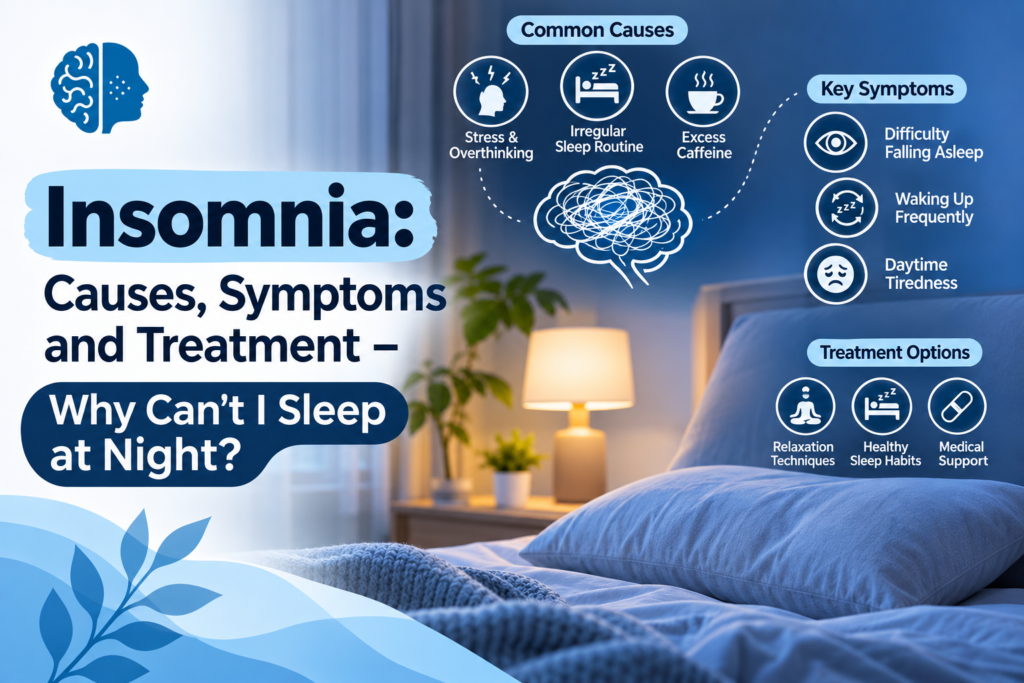
Insomnia: Causes, Symptoms and Treatment – Why Can’t I Sleep at Night?

Insomnia Treatment in Indore is an important consideration for people who regularly experience difficulty falling asleep, staying asleep, or waking up feeling tired. Sleep is essential for maintaining physical health, emotional balance, concentration, and overall well-being. However, stress, anxiety, lifestyle habits, and certain medical conditions can interfere with normal sleep patterns. Occasional sleeplessness may happen to anyone, but when sleep difficulties become frequent and start affecting daily activities, they should not be ignored. Persistent insomnia can lead to daytime fatigue, irritability, poor concentration, and reduced productivity. Understanding its causes and available treatment options can help individuals take the right steps towards better sleep. People searching for Sleep Disorder Treatment in Vijay Nagar Indore can consider professional evaluation to understand the factors affecting their sleep. Dr. Atharva Shrotriya, MBBS, M.D. (Psychiatry), provides psychiatric consultation for individuals experiencing sleep-related and mental health concerns in Indore. Understanding Insomnia and the Need for Insomnia Treatment in Indore Insomnia is a sleep disorder in which a person experiences difficulty falling asleep, staying asleep, or getting restful sleep despite having enough time and opportunity to sleep. It may occur for a short period or continue for several months. Insomnia is not simply about sleeping fewer hours. The quality of sleep and its effect on daytime functioning are equally important. Some people take a long time to fall asleep, while others wake up repeatedly during the night or earlier than planned. Common symptoms of insomnia include: Difficulty falling asleep at bedtime. Waking up frequently during the night. Waking up too early and being unable to sleep again. Feeling tired or unrefreshed after waking up. Difficulty concentrating on daily tasks. Irritability, mood changes, or low motivation. Excessive worry about getting enough sleep. When these symptoms occur regularly, consulting a professional for Insomnia Treatment in Indore may help identify the underlying reasons and suitable management options. Common Causes of Insomnia and Sleep Disorders in Indore Insomnia can develop due to psychological, physical, environmental, and lifestyle-related factors. Identifying the possible cause is an important step in planning appropriate Sleep Disorder Treatment in Vijay Nagar Indore. 1. Stress and Anxiety as Causes of Insomnia Daily stress, work pressure, financial concerns, and family responsibilities can affect sleep. People experiencing anxiety may continue thinking about problems even after going to bed. Racing thoughts and excessive worrying can make it difficult for the mind to relax. 2. Depression and Mental Health Conditions Depression can affect sleep patterns in different ways. Some individuals experience difficulty falling asleep, while others may wake up frequently or sleep more than usual. Anxiety disorders and other mental health concerns can also contribute to disturbed sleep. A Psychiatrist in Scheme 78 Indore can assess whether an underlying mental health condition is contributing to persistent sleep difficulties. 3. Irregular Sleep Schedule Going to bed and waking up at different times every day may disturb the body’s natural sleep-wake cycle. Night shifts, late-night working hours, frequent travel, and irregular weekend routines can make it harder to maintain consistent sleep patterns. 4. Excessive Mobile and Screen Usage Using mobile phones, laptops, or televisions close to bedtime may delay sleep. Watching videos, browsing social media, or working late can keep the mind active when it needs to relax. 5. Caffeine, Nicotine, and Alcohol Consumption Coffee, tea, energy drinks, and other caffeinated products may interfere with sleep, especially when consumed later in the day. Nicotine is also a stimulant. Alcohol may initially make a person feel sleepy but can disturb sleep quality during the night. 6. Medical Conditions and Physical Discomfort Chronic pain, breathing difficulties, thyroid-related concerns, and certain other medical conditions may interfere with restful sleep. Some medications can also affect sleep patterns. Medical evaluation can help identify these contributing factors. 7. Uncomfortable Sleeping Environment Noise, excessive light, an uncomfortable room temperature, and an unsuitable sleeping arrangement can make it difficult to fall or remain asleep. Improving the sleeping environment may support better sleep quality. Understanding these causes can help a doctor recommend an appropriate approach to Insomnia Treatment in Indore. Types of Insomnia and Their Symptoms Insomnia can be classified according to how long it lasts and the pattern of sleep difficulties. Understanding the type may help guide further evaluation and treatment. Acute Insomnia Acute insomnia is short-term sleep difficulty that may last for a few days or weeks. It can occur during stressful situations, illness, travel, or major changes in daily routine. Sleep may improve once the triggering situation is resolved. Chronic Insomnia Chronic insomnia refers to sleep difficulties that occur regularly over an extended period. It may affect daytime energy, mood, concentration, and overall functioning. Persistent symptoms should be discussed with a qualified healthcare professional. Sleep-Onset Insomnia People with sleep-onset insomnia have difficulty falling asleep at the beginning of the night. They may spend a long time in bed trying to sleep despite feeling tired. Sleep-Maintenance Insomnia This type involves difficulty staying asleep. A person may fall asleep initially but wake up several times during the night and struggle to return to sleep. For people experiencing these symptoms, Sleep Disorder Treatment in Vijay Nagar Indore may involve identifying the sleep pattern and possible underlying causes. Effects of Insomnia on Mental and Physical Health Poor sleep can affect concentration, memory, mood, and daily productivity. Common effects include: Reduced concentration and memory: Difficulty focusing and remembering information. Mood changes: Increased irritability and frustration. Daytime fatigue: Low energy and reduced productivity. Increased stress: Worrying about sleep can worsen sleep difficulties. Insomnia can also be associated with anxiety and depression. Consulting a Psychiatrist in Scheme 78 Indore can help assess sleep-related and mental health concerns. Treatment Options for Insomnia Treatment in Indore The right treatment depends on the symptoms, underlying causes, medical history, and severity of insomnia. Dr. Atharva Shrotriya focuses on personalized treatment based on individual sleep and mental health concerns. 1. Cognitive Behavioural Therapy for Insomnia (CBT-I) CBT-I helps identify negative thoughts and habits affecting sleep. It is an effective non-medication approach for managing persistent insomnia and improving sleep patterns. 2. Managing […]
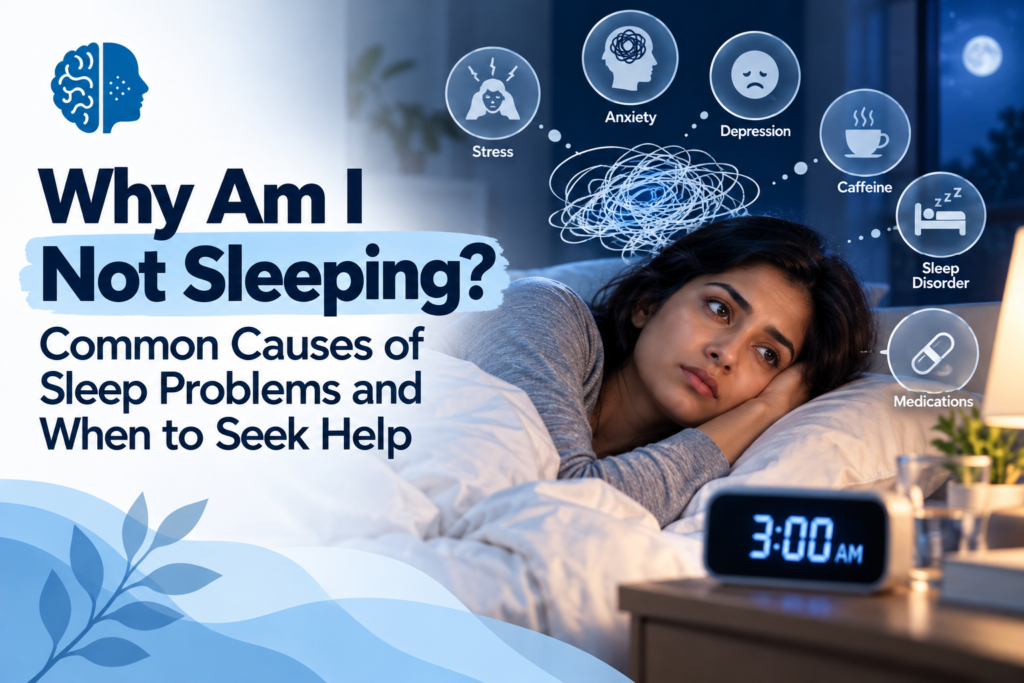
Woman lying awake at 3 AM, representing sleep problems and difficulty falling asleep
Uncategorized

Why Am I Not Sleeping? Common Causes of Sleep Problems and When to Seek Help

Have you ever gone to bed feeling tired but still found yourself awake for hours? Or do you fall asleep easily but wake up several times during the night? If this happens regularly, you may start wondering, why am I not sleeping properly? Sleep problems are common and can affect people of different ages. A stressful day, changes in your routine, excessive screen use or drinking caffeine late in the evening can make it difficult to sleep. Sometimes, however, ongoing sleep difficulties may be connected to anxiety, depression, other mental health concerns or physical health conditions. When you do not sleep well, you may feel tired, irritated or unable to concentrate the next day. Over time, poor sleep can also affect your work, relationships and emotional well-being. Understanding the reason behind your sleep difficulties is the first step towards finding suitable support. Dr. Atharva Shrotriya, MBBS, M.D. (Psychiatry), provides psychiatric care for people experiencing sleep difficulties and related mental health concerns in Indore. In this article, we will explore common causes of sleep problems, practical ways to improve your sleeping habits and signs that indicate you should seek professional help. How Much Sleep Do Adults Need? Most adults need around 7 to 9 hours of sleep every night. However, individual sleep requirements can vary depending on age, health and lifestyle. Getting enough sleep is important, but sleep quality matters too. If you wake up repeatedly during the night or feel tired even after spending enough time in bed, you may not be getting restful sleep. Common signs of poor sleep include: Taking a long time to fall asleep. Waking up several times during the night. Waking up earlier than planned. Feeling tired after waking up. Experiencing daytime sleepiness. Having difficulty concentrating. Feeling unusually irritated or low during the day. If these problems happen regularly, it may be worth discussing them with a healthcare professional. Why Am I Not Sleeping? 9 Common Causes There is no single reason why everyone experiences sleep difficulties. Your sleeping pattern can be affected by your mental health, daily routine, environment, medicines and physical health. Here are some common causes to consider. 1. Stress and Overthinking Stress is one of the common reasons people struggle to fall asleep. You may feel physically tired but find that your mind keeps thinking about work, family responsibilities, financial concerns or personal problems. For example, you may lie in bed thinking about: An unfinished task at work. An important meeting the next morning. Financial responsibilities. Family or relationship concerns. A difficult situation from the past. Things you need to complete the next day. These thoughts can make it difficult to relax. You may also start worrying about how little sleep you are getting, which can make bedtime more stressful. If stress regularly affects your sleep, consider speaking with a qualified professional to understand what may be contributing to the problem. 2. Anxiety and Constant Worry Anxiety can make it difficult to relax, especially at night when there are fewer distractions. You may repeatedly think about possible problems, imagine negative situations or replay conversations in your mind. Even when there is no immediate reason to worry, your mind may continue feeling alert. Anxiety can also cause physical symptoms, including: Restlessness. Muscle tension. Fast heartbeat. Sweating. Difficulty relaxing. A constant feeling of nervousness. Sleep difficulties and anxiety can affect each other. Poor sleep may make it harder to manage stress the next day, while anxiety may make it difficult to sleep at night. If you are experiencing both concerns, a psychiatric assessment may help identify whether anxiety is contributing to your sleep problems. 3. Depression and Changes in Mood Depression can affect your sleeping pattern in different ways. Some people find it difficult to fall asleep or wake up much earlier than usual. Others sleep for longer periods but still feel tired throughout the day. Sleep changes may occur alongside symptoms such as: Persistent sadness. Loss of interest in usual activities. Low energy. Difficulty concentrating. Feelings of hopelessness. Changes in appetite. If you notice these symptoms along with ongoing sleep difficulties, it is important to discuss both concerns with a healthcare professional. Dr. Atharva Shrotriya can assess psychiatric symptoms and help determine whether further mental health evaluation may be appropriate. 4. Excessive Mobile Phone and Screen Use Using your mobile phone, laptop or television late at night can interfere with your sleep routine. Many people use their phones just before sleeping. They may check social media, watch videos, play games or respond to work messages. These activities can keep the mind active when the body should be preparing for rest. Light exposure from screens may also affect your normal sleep-wake rhythm. You can try: Keeping your phone away from your bed. Reducing screen use before bedtime. Avoiding work messages late at night. Following a relaxing evening routine. Reading a book instead of scrolling through social media. If changing these habits does not improve your sleep, other possible causes may need to be considered. 5. Caffeine, Alcohol and Other Substances What you consume during the day can influence how easily you fall asleep at night. Coffee, tea, energy drinks and other sources of caffeine can keep you alert. Drinking them late in the day may make it harder to fall asleep. Alcohol can make some people feel sleepy initially, but it may disturb sleep later in the night. Nicotine and other substances can also affect normal sleeping patterns. If you regularly depend on alcohol, substances or medicines to fall asleep, speak openly with a qualified doctor. Avoid taking sleeping tablets or changing prescribed medicines without medical advice. 6. Irregular Sleeping Schedule Your body generally benefits from a regular sleep and wake schedule. Going to bed at different times every night, sleeping late on weekends or taking long daytime naps can make it harder to maintain a consistent routine. Some common reasons for an irregular sleeping schedule include: Night-shift work. Frequent travel. Late-night working hours. Long afternoon naps. Changing work schedules. Limited physical […]

Woman discussing mental health concerns with a psychiatrist in Indore
Uncategorized

When Should You See the Best Psychiatrist in Indore? 10 Signs You Should Not Ignore

Mental health problems do not always appear suddenly. Sometimes, the first signs are changes in your mood, sleep, behaviour, thoughts or ability to manage everyday activities. Many people notice these changes but continue to ignore them, hoping they will go away on their own. However, when these changes continue for a long time or start affecting your personal and professional life, it may be time to speak with a mental health professional. If you are searching for the Best Psychiatrist in Indore, it is important to understand when psychiatric support may actually be helpful. You do not necessarily need to wait until your symptoms become severe. A psychiatrist can assess your concerns, understand your symptoms and discuss suitable treatment options based on your individual situation. Here are 10 signs you should not ignore. 1. You Feel Sad, Empty or Hopeless for a Long Time Everyone feels sad sometimes. Difficult situations, relationship problems, work pressure and personal losses can affect your mood. But if you regularly feel sad, empty, hopeless or emotionally exhausted for several weeks, it may be worth speaking with a professional. You may also notice: Losing interest in activities you previously enjoyed Feeling tired most of the time Difficulty concentrating Changes in appetite Sleeping too much or too little Feeling helpless or worthless These symptoms can occur with depression, although only a qualified professional can determine the underlying cause. If these changes are affecting your daily life, consulting the Best Psychiatrist in Indore can help you understand what may be happening and what type of support may be appropriate. 2. Anxiety Is Becoming Difficult to Control Worry is a normal part of life. You may feel anxious before an examination, interview, important meeting or major life event. The concern is when anxiety becomes frequent, intense or difficult to control. You may constantly worry about different situations, feel restless or find it difficult to relax. Anxiety can also cause physical symptoms such as: Fast heartbeat Sweating Trembling Muscle tension Stomach discomfort Difficulty sleeping When anxiety starts affecting your work, studies, relationships or everyday routine, it may be time to seek professional guidance. A Psychiatric Doctor in Indore can assess your symptoms and determine whether they may be related to an anxiety disorder or another mental health concern. 3. Your Sleep Pattern Has Changed Significantly Sleep and mental health are closely connected. Ongoing sleep problems can affect your mood, concentration, energy and ability to manage everyday responsibilities. You may find it difficult to: Fall asleep Stay asleep Wake up at a normal time Feel rested after sleeping Stop sleeping excessively Sometimes sleep problems occur alongside anxiety, depression, bipolar disorder or other mental health concerns. If your sleep problems continue or keep returning, speaking with the Best Psychiatrist in Indore can help identify possible contributing factors and determine whether further assessment is needed. 4. You Are Experiencing Frequent Panic Attacks A panic attack can involve a sudden feeling of intense fear or discomfort. Some people experience: Racing heartbeat Sweating Shaking Breathlessness Dizziness Chest discomfort Fear of losing control A feeling that something terrible is about to happen After experiencing a panic attack, some people begin avoiding certain places or situations because they are afraid another attack might happen. If panic attacks are recurring or interfering with your normal activities, consider consulting a Psychiatric Doctor in Indore. A psychiatrist can assess your symptoms and determine whether they may be related to panic disorder, anxiety or another condition. 5. Unwanted Thoughts or Repetitive Behaviours Are Taking Over Your Day Everyone experiences unwanted thoughts occasionally. People also have habits and routines. However, when unwanted thoughts become persistent and distressing, or repetitive behaviours become difficult to control, professional assessment may be useful. Some examples include: Repeatedly checking locks or appliances Excessive hand washing Constantly seeking reassurance Repeating actions until they feel right Experiencing intrusive thoughts Spending a large amount of time performing rituals These symptoms can occur with obsessive-compulsive disorder (OCD). If these thoughts or behaviours are taking up a significant part of your day, the Best Psychiatrist in Indore can assess your symptoms and discuss appropriate treatment options. 6. Your Mood Changes Are Becoming Extreme Mood naturally changes throughout the day. But major changes in mood, energy or behaviour may need professional attention. For example, you may experience periods when you: Feel unusually energetic Need very little sleep Talk much more than usual Have racing thoughts Become unusually impulsive Feel extremely confident or active These periods may sometimes be followed by low mood, reduced energy or loss of interest. If these changes are affecting your relationships, work, studies or finances, consulting the Best Psychiatrist in Indore can help you understand what may be behind these changes. 7. Concentration and Everyday Work Are Becoming Difficult Everyone loses focus occasionally. Stress, tiredness and lack of sleep can affect concentration. But persistent concentration problems can become a concern when they start interfering with normal responsibilities. You may notice: Difficulty completing work Problems focusing on studies Frequently forgetting important things Difficulty making decisions Losing interest in regular activities Struggling with tasks you previously managed easily A Psychiatrist Near Me in Indore can look at your overall symptoms rather than focusing only on concentration problems. This is important because difficulty concentrating can have many possible causes. 8. You Are Using Alcohol or Substances to Cope Some people begin using alcohol or other substances to manage stress, anxiety, sadness or emotional difficulties. Over time, this can become difficult to control. Some warning signs include: Using more than you planned Finding it difficult to stop Continuing despite problems at home or work Spending significant time thinking about or obtaining the substance Experiencing withdrawal symptoms Feeling that you need the substance to feel normal A Psychiatric Doctor in Indore can assess both your mental health and substance-use concerns and discuss appropriate treatment options. If you are dependent on certain substances, do not stop suddenly without medical advice because withdrawal can sometimes be dangerous. 9. Your Behaviour or Relationships Have Changed Sometimes, […]

Woman sitting with her head resting on her arms, representing sadness and emotional distress
Uncategorized

Depression: Early Signs, Causes and When to See a Psychiatrist

Feeling sad, tired or stressed from time to time is a normal part of life. But when these feelings continue for weeks and start affecting sleep, work, studies, relationships or everyday activities, they may need more attention. Depression is a common mental health condition. It can affect mood, thoughts, energy, sleep, appetite and interest in activities. It can happen to people of different ages and backgrounds, and it is not a sign of weakness. Depression can be treated, and getting professional help can make it easier to understand what is happening and what support may be appropriate. If you are looking for the Best Depression Treatment in Indore, understanding the early signs is a useful first step. What Is Depression and How Is It Different From Feeling Sad? Everyone experiences sadness. Losing a loved one, facing problems at work or going through a difficult personal situation can affect your mood. These feelings may improve with time. Depression is different from short-term sadness. A person with depression may have a persistent low mood or lose interest in activities they normally enjoy. Other symptoms can include low energy, poor concentration, changes in sleep or appetite, feelings of guilt or hopelessness, and difficulty managing everyday responsibilities. When these symptoms continue for most of the day, nearly every day, for at least two weeks, professional assessment is recommended. However, you do not have to wait for two weeks if your symptoms are severe or causing serious problems in your daily life. For people searching for the Best Depression Treatment in Indore, recognising these changes early can help them seek appropriate support sooner. What Are the Early Signs of Depression? The early signs of depression can be different from one person to another. Some people notice emotional changes first, while others notice problems with sleep, energy or concentration. Common signs include: Feeling sad, empty or low for much of the day Losing interest in hobbies or activities Feeling tired even after enough rest Sleeping too much or having trouble sleeping Changes in appetite or weight Finding it difficult to concentrate Feeling guilty, helpless or worthless Becoming more irritable than usual Avoiding friends and family Finding normal responsibilities difficult to manage Feeling hopeless about the future Not everyone with depression has every symptom. The number, severity and duration of symptoms can vary from person to person. If several of these signs are affecting your daily life, talking to a Psychiatrist for Depression in Indore can help you understand your symptoms instead of trying to diagnose yourself. Can Depression Cause Physical Changes Too? Yes. Depression is not limited to emotions. Some people experience physical changes such as low energy, changes in appetite, sleep problems, headaches, body aches or other unexplained discomfort. Concentration and decision-making can also become difficult. This is one reason people may not immediately recognise depression. They may think they are simply tired, stressed or physically unwell. If physical and emotional changes continue together, a consultation with a Psychiatric Doctor in Indore can help assess the complete picture. What Causes Depression? There is usually no single reason why someone develops depression. Research shows that biological, psychological and social factors can all play a role. Difficult life events, loss, trauma, ongoing stress and some physical health conditions may increase the risk. Some possible contributing factors include: Life Stress and Difficult Experiences Problems related to work, finances, relationships, family or major life changes can place a person under significant emotional pressure. In some people, prolonged stress may contribute to depression. Loss and Grief Losing someone close or going through a major personal loss can have a strong emotional effect. While grief and depression are not the same, a person may experience depression symptoms during or after a difficult loss. Biological Factors Depression can also involve biological factors. Family history and changes related to brain and body functions may contribute to a person’s risk. Physical Health Conditions Some chronic health conditions can occur alongside depression. Certain medicines and medical conditions can also cause symptoms that resemble depression, which is why proper assessment is important. Because depression can have different contributing factors, the Best Depression Treatment in Indore should be based on an individual’s symptoms and circumstances. When Should You See a Psychiatrist for Depression? You do not need to wait until depression becomes severe before asking for help. Consider consulting a mental health professional if you notice: Low mood that does not improve Loss of interest in things you normally enjoy Sleep or appetite changes Constant tiredness Difficulty concentrating Problems at work or school Withdrawal from family and friends Feelings of hopelessness or worthlessness Difficulty completing everyday tasks NIMH recommends seeking professional help when distressing symptoms persist or interfere with normal activities. If you are searching for a Depression Doctor Near Me, a consultation can help you understand whether your symptoms may be related to depression and what type of care may be appropriate. How Can a Psychiatrist Help With Depression? A psychiatrist is a medical doctor who specialises in mental health. During a consultation, the doctor may ask about your symptoms, when they started, how often they occur and how they affect your everyday life. The doctor may also ask about: Sleep Appetite Energy levels Concentration Mood changes Work or study difficulties Family and relationship concerns Previous mental health problems Current medicines Other health conditions A Psychiatric Doctor in Indore may also consider whether another medical or mental health condition could be contributing to your symptoms. A proper assessment helps avoid assumptions and allows treatment decisions to be based on the individual’s situation. What Treatment Options Are Available for Depression? The Best Depression Treatment in Indore is not the same for everyone. Treatment depends on the type and severity of symptoms and the person’s individual needs. Common approaches may include psychological treatment, medication or a combination of both. WHO identifies psychological treatments as effective for depression and notes that medicines may also be considered depending on the severity and individual situation. Psychological Treatment Talk therapy can […]